
Like a train picking up speed, time accelerates with each passing day. Errands and chores pack our days. Children and pets add to the never-ending lists of responsibilities. Hobbies are wedged between meetings and grocery runs. When the day ends, we plop down with amazement at how quickly the hours fell and how much more there’s left to do.
Between the rush and the calm, victims lie scattered. The first to fall is often our friendships that deserve attention and care. We trust our friends love us, and in turn, they trust we love them. In reality, most relationships require tending like plants in a garden. We do this not only for the sake of their growth but also for the inherent satisfaction it gives us. We feel fulfilled when we help something flourish, and if we’ve done our jobs well, we’re fed by the fruits of our labor.
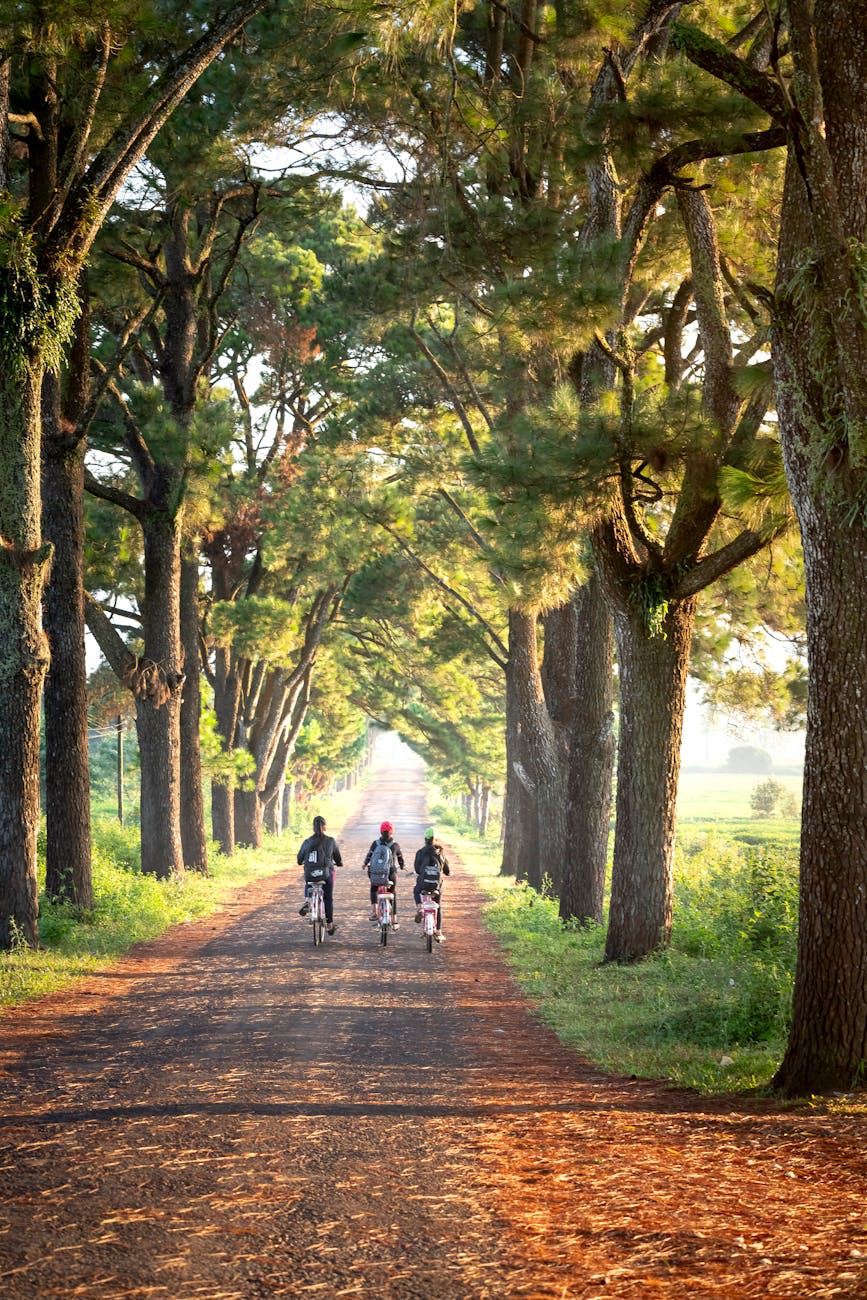
As children, we wasted away summer days as if the sun might never set. Empty of responsibility, minutes were morsels and hours were full meals. Time slowed down because its nourishment kept us full. Curiosity and boredom had room to flourish, and from those states, we made our own food. There was no effort to impress anyone beyond arm’s reach. Egos were local and our attention was, too. To broadcast oneself was to yell loudest; to apologize meant staring into a set of tear-filled eyes. To be friends meant knowing someone’s scent, watching them catch a summer tan, and long days together dreaming beyond the edge of the universe.
Connection is now a buzzword in tech circles. It’s talked about as if the matrix of satellite signals and submarine cables brought the concept to humanity. Yes, we’re technically more connected to the world now than we’ve even been. Yes, we have the ability to forge relationships today that our younger selves could never imagine. But in our rush to connect through the silicon world, have we gained distance from our real connections? Are we spinning more webs as individuals than we can manage? Have we taken more food than our arms can carry?
Our childhood friendships came with continuity and immediacy. These items gave each relationship a sense of priority. Without jobs, children or mortgages, these friendships were easy priorities, and with an infinite supply of energy, the effort to maintain them was low. Of course, the responsibilities of adulthood steamroll our time and drain our energy. We move, our interests change and new friends enter the picture. Sometimes, the pains of life strike and we’re saddled with a weight that takes all our might to lift. Eventually, we give in and replace these friendships with screens and media that occupy our minds between tasks. We trade meaningful social engagement for the ease of visual and audio pacifiers.
Recapturing our connection-filled childhoods is the imprudent work of the chronic nostalgist. But our early social connections, provided we had a robust community of friends, offer an inspiring roadmap for the play in our modern lives. American is now in the midst of an epidemic of loneliness—a problem that is only compounding. There are 8.2 billion people on the planet and we’re lonelier than ever. “Connecting” has never been easier and yet we’re dying from the pains of mental isolation.
Our loneliness dilemma is having a seismic impact on our society, economy, and most pressingly, our biology. A 2023 report by the U.S. Surgeon General’s office entitled Our Epidemic of Loneliness and Isolation highlights the following:
“The lack of social connection poses a significant risk for individual health and longevity. Loneliness and social isolation increase the risk for premature death by 26% and 29% respectively. More broadly, lacking social connection can increase the risk for premature death as much as smoking up to 15 cigarettes a day. In addition, poor or insufficient social connection is associated with increased risk of disease, including a 29% increased risk of heart disease and a 32% increased risk of stroke. Furthermore, it is associated with increased risk for anxiety, depression, and dementia. Additionally, the lack of social connection may increase susceptibility to viruses and respiratory illness.”
Friendship, companionship and social connections supplement our well-being. We know this intellectually, but we fail to accept this in practice. The Western world has done terrific work in promoting the myth of the “self-made person,” an apocraphal narrative that tells us we can take on the world as individuals and triumph. We buy this story because it pampers the ego and allows us the feeling of superiority. Not only did we climb the ladder, we footed that bastard ourselves.
As we age, many of us harden our hearts to the concept of vulnerability and dependence. We promote vulnerability as a magic pill to others, but the act of “opening up” ourselves requires a forfeiture of our self-determination and our fortitude. This is a damning way to grow old. We are not islands; we cannot manage true well-being without others. Social connection is a currency best exchanged within arms reach and it’s damn near as important as sunlight on our skin.
I’m not suggesting all distant connections and online friendships are vapid. It’s a gift to keep in touch with friends from South America or to FaceTime with a sibling in New Zealand. But these can’t replace the need for vital social contact, face-to-face and uninterrupted. When we fall and skin a knee, it’s the outstretched hand of a nearby friend that’ll help lift us to our feet.
As children, our friends were neighbors, classmates and sports team members. As adults, they may be neighbors, colleagues or fellow hobbyists. Wherever we find them, we must remember that to be with them is an investment in our mutual well-being. We can find the time and we can make the space. These connections are too important to ignore, and no screen can ever replace the gift of their hand on your shoulder.



 Stirring Point
Leave a comment